






Repair vs Replace Windows: How to Know Which One You Need
What "window repair" actually means
Window repair, in glazing terms, means replacing the glass while keeping the frame in place.
The glazier removes the damaged pane, cuts a new piece of glass to the exact size, and reglaze it into the existing frame. The frame itself stays put. The hardware, the seals around the frame, the sill: none of that is touched unless there is a specific reason to address it.
This is the most common scenario for a one-off break: a ball through a sliding window, a crack from a point impact, a single pane in a shower screen or mirror. The damage is isolated to the glass, the frame is structurally sound, and the repair is straightforward.
What repair does not cover is anything wrong with the frame itself. If the aluminium is warped, corroded, or pulling away from the wall, you are looking at a different job.
When repair is the right call
Glass repair is generally the right answer when the damage is confined to the glass and the frame has no structural or performance issues.
A single pane is cracked or broken. A rock flick from a lawnmower, a stray cricket ball, a hailstone that found its mark. If the crack is isolated to one pane and the frame around it is solid, a glass replacement is a clean, cost-effective fix. There is no reason to replace the whole window.
The glass has been broken in a burglary or accident. Insurance claims for glass damage typically cover the pane, not the frame. If the frame has held up, a repair is what the insurer will expect and what makes practical sense.
The pane is fogged or hazy in a double-glazed unit. This is common in older aluminium double-hung or sliding windows and is often misread as a frame problem. What has actually happened is that the seal around the glazed unit has failed, allowing moisture to enter the cavity between the panes. The solution is to replace the glazed unit within the existing frame, not replace the window itself. This is a repair job.
The glass no longer meets safety requirements. If you have ordinary float glass in a location that now requires toughened or laminated safety glass under AS1288 (near a door, in a bathroom, in a low-level window), replacing the glass type is often possible without replacing the frame.
When replacement is the better option
There are situations where repairing the glass does not address the underlying problem, and doing so just delays a larger job.
The frame is warped or distorted. Aluminium frames are durable, but they can warp over time, particularly in homes that experience movement or where the original installation was not done well. If the window no longer closes properly, is letting in draughts despite intact glass, or has visible gaps between the frame and the wall, the issue is structural. New glass will not fix any of that.
There is corrosion through the frame. Surface oxidation on an aluminium frame is normal and can be cleaned up. But when corrosion has worked its way into the extrusion and is causing the frame to pit, flake or lose its shape, repair is not a sensible answer. Corroded frames are also harder to seal around properly, which affects both draught and water performance.
The window is old and has a poor energy rating. Older single-pane aluminium windows, common in Central Coast homes built in the 1970s through to the 1990s, do very little for thermal performance. If your goal is to reduce heat transfer, cut summer heat gain or reduce condensation, replacing the glass alone will have limited effect. A proper aluminium double-glazed window is the correct answer here, and the glass specification alone cannot substitute for that.
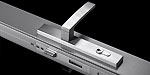
The hardware is failing. Locks, rollers, hinges and stays wear out over time, and when they start failing it is often a signal that the window as a system is at the end of its useful life. Replacing the glass and leaving old rollers or a failing lock mechanism is a short-term fix at best.
The frame was never right for the opening. This comes up in renovation work. Sometimes a window was installed incorrectly, is the wrong size for the opening, or sits poorly against the surrounding frame or brickwork. Repair does not solve a fitting problem. The window needs to come out.
The question most people forget to ask
Can you always just replace the glass?
In most cases, yes. A glazier can replace the glass in an aluminium frame without disturbing the frame itself. This applies to sliding windows, double-hung windows, awning windows, casement windows, and most aluminium door panels.
What changes the answer is the condition of the frame and whether the glazing rebate (the groove the glass sits in) is in good enough condition to hold a new pane properly. If the rebate is damaged or corroded, the glass will not seal correctly and the repair will not last.
A glazier should always assess the frame condition before quoting a glass-only replacement. If anyone quotes you on glass without looking at the frame first, that is a concern worth raising.
What Brisbane Water Glass looks at when assessing your windows
When our team comes out to a job on the Central Coast, here is how we approach the decision:
- Assess the glass damage. Is it a clean break, a crack, a fogged unit, or a shattered pane?
- Check the frame condition. Is the aluminium straight, intact and properly secured? Does the frame open and close correctly?
- Check the seals and hardware. Are the rollers, locks and weatherseals in a workable condition?
- Review the age and context. Is this a relatively new window or is it part of an older original installation?
- Provide a clear recommendation. Whether that is a glass replacement, a full window replacement, or a broader assessment of the rest of the property.
We do not push replacement when repair will do the job. And we will not recommend a repair that is only going to last six months.
A note on the Central Coast climate
Homes close to the water such as many parts of the Central Coast tend to see faster deterioration in window seals and hardware than homes further inland. There are a lot of them across Woy Woy, Ettalong, Umina, Terrigal and the peninsula generally. Salt air is hard on aluminium frames over the long term, and it is one of the reasons we see more full-window replacements in those areas compared to glass-only repairs.
If your home is within a few kilometres of the coast or the waterway, it is worth factoring the broader frame condition into your assessment, not just the glass.
What Brisbane Water Glass looks at when assessing your windows
FAQs
Can a cracked window be repaired rather than replaced?
What types of window damage can be fixed with a glass replacement?
When does a cracked window become a safety hazard?
How long do aluminium windows last before they need replacing?
Can you replace just the glass without replacing the whole window frame?
Does home insurance cover window glass repair or replacement?
If you are not sure whether your window needs a repair or a full replacement, the quickest way to find out is to have it looked at. Brisbane Water Glass operates across the Central Coast with five vehicles on the road. Call us on 02 4344 2455 or get a quote online.
For more glazing guidance, see our Glass Repair services page or explore our range of aluminium windows if replacement is the direction you are heading.