




Glass plays an important role in modern homes and commercial spaces, but not all glass is suitable for every application. In areas where accidental impact is more likely, Australian regulations require the use of safety glass to reduce the risk of serious injury.
In NSW, glass installations must comply with the National Construction Code (NCC) and Australian Standard AS 1288, which set out where Grade A safety glass is required. These rules apply to common areas such as doors, bathrooms, low-level windows, and large glass panels.
At Brisbane Water Glass, we work with homeowners, builders, and renovators to supply and install compliant glazing solutions across a wide range of residential and commercial projects. Understanding where safety glass is required is an important part of ensuring your windows, doors, and glass installations meet current standards.
What Is Safety Glass?
Toughened Glass
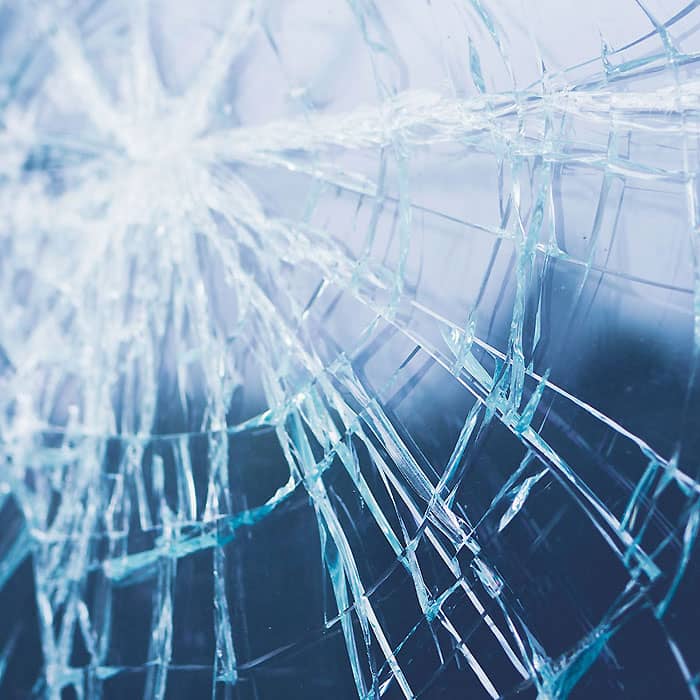
Toughened glass is heat-treated to increase its strength. When broken, it shatters into small blunt fragments instead of sharp shards. This makes it a common choice for doors, shower screens, and other high-impact areas.
Read more about the Toughened Safety Glass standards.
Laminated Glass
Laminated glass consists of two layers of glass bonded together with an interlayer. If the glass breaks, the interlayer helps hold the panel together rather than allowing it to fall apart. Laminated glass is often used where additional safety, security, or acoustic performance is needed.
Both types can meet Grade A safety glass requirements when manufactured to Australian Standards.
Understanding Human Impact Areas
- Glass doors
- Side panels next to doors
- Low-level windows
- Bathrooms and wet areas
- Large clear glass panels
Where Safety Glass Is Required in NSW
All glass doors must use Grade A safety glass. This includes:
- Sliding doors
- Hinged doors
- Pivot doors
- Bi-fold doors
Doors are considered high-risk areas because of the likelihood of people walking into or pushing against the glass during normal use.
Door Side Panels
Glass panels located close to doors may also require safety glazing.
This generally applies where the panel is:
- Within 300mm of a door frame
- Less than 1200mm above floor level
These panels can easily be mistaken as part of the doorway, particularly when large clear glazing is used.
Low-Level Windows
Windows with glass positioned close to the floor can also fall under safety glazing requirements.
In many cases, safety glass is required when:
- The lowest visible sightline is under 500mm from floor level
- The glass pane exceeds 1.2m² in size
This is common in modern homes that use large fixed panels or low-set windows to maximise natural light.
Bathrooms and Wet Areas
Bathrooms and other wet areas have additional safety requirements due to the increased risk of slipping.
Grade A safety glass is generally required for glazing located within 2 metres of floor level in:
- Bathrooms
- Ensuites
- Spa rooms
- Other wet areas
This commonly applies to shower screens, windows, and glazed partitions.
Large Clear Glass Panels
Large uninterrupted glass panels can sometimes be mistaken for an opening, especially when they are highly transparent.
Where this risk exists, regulations may require:
- Grade A safety glass
- Visual markings such as decals or safety strips
These measures help improve visibility and reduce the chance of accidental impact.
Glass Safety for Renovations and Replacements
Replacing Existing Glass
Renovating Older Homes
Many older properties were built before current glazing standards were introduced. During renovations, it is common to identify windows and doors that no longer meet today’s safety requirements.
Areas that often require upgrades include:
- Low-level windows
- Glass doors
- Bathroom glazing
- Large fixed glass panels
Understanding these requirements early in a renovation can help avoid delays and ensure the finished project is compliant.
Choosing the Right Safety Glass
The right type of safety glass will depend on the location, level of exposure, and the overall application. While both toughened and laminated glass can meet Australian safety requirements, each has different characteristics.
Toughened Glass
Toughened glass is commonly used in areas where strength and impact resistance are important. It is manufactured through a heating and cooling process that increases its durability compared to standard glass.
Common applications include:
- Glass doors
- Shower screens
- Frameless glazing
- High-traffic areas
When broken, toughened glass shatters into small blunt pieces designed to reduce injury risk.
Laminated Glass
Laminated glass is designed to stay bonded together when broken. The internal interlayer helps hold the panel in place, which can provide additional safety and security benefits.
It is often used in:
- Low-level windows
- Large glass panels
- Areas requiring additional acoustic performance
- Applications where glass retention is important
Because the glass remains together after impact, laminated glass can help reduce the risk of glass falling from the opening.
In some applications, the best option will depend on both compliance requirements and practical considerations such as durability, appearance, noise reduction, or security. Selecting the correct glazing for each location is an important part of meeting NSW safety standards.
Why Professional Installation Matters
Using compliant safety glass is only part of the process. Correct installation is just as important to ensure the glazing performs as intended and meets Australian Standards.
Incorrectly installed glass can lead to issues such as:
- Poor structural support
- Water leaks
- Excess movement in the glazing
- Increased risk of breakage
- Non-compliance with NCC and AS 1288 requirements
Professional installation also ensures the correct glass type, thickness, and fixing method are used for each application.
At Brisbane Water Glass, we work with homeowners, builders, and renovators to supply and install glazing that meets current NSW safety requirements. Whether it’s replacement glass, shower screens, windows, or doors, compliance and long-term performance remain a key part of every project.
Meeting NSW Glass Safety Requirements
Glass safety regulations are designed to reduce the risk of injury in homes and commercial spaces. Areas such as doors, bathrooms, low-level windows, and large glass panels often require Grade A safety glass to comply with current standards.
Understanding where safety glass is required can help avoid compliance issues during new builds, renovations, and replacement work. Choosing the correct glazing and ensuring it is properly installed both play an important role in safety and long-term performance.
If you are planning a renovation, replacing glass, or working on a new project, the team at Brisbane Water Glass can assist with compliant glazing solutions tailored to your application.